The landscape of digital consumption is shifting massively, and the rapid growth of regional languages on the internet in India is at the heart of this transformation in 2026. For a long time, English was considered the default language of the web. If you wanted to search for information, buy a product, or consume content, you had to do it in English. However, that era is officially over. Today, the real digital revolution is happening in Tamil, Marathi, Bhojpuri, Hindi, and other vibrant vernacular languages.
As internet penetration reaches the deepest corners of rural India, millions of first-time smartphone users are logging online. These new users do not want to navigate a foreign language; they want content in their mother tongue. If you are a digital creator, a business owner, or a freelancer, understanding the rise of regional languages on the internet in India is no longer just an option—it is a vital necessity for survival and growth in the current digital economy.
The Numbers Behind the Vernacular Boom
Let us look at the hard facts. According to recent internet usage statistics in India, the number of vernacular internet users has completely surpassed English-speaking users. The growth rate of regional languages on the internet in India is currently outpacing English by a massive margin.
Why is this happening now? The availability of ultra-cheap 5G data and affordable smartphones has democratized internet access. When a user in a Tier-3 city in Tamil Nadu or a village in Maharashtra buys a smartphone, their first search query is rarely in English. They use voice search or transliteration keyboards to find local news, entertainment, and utility tools in their native script.
This massive influx of users has forced tech giants and independent developers alike to heavily invest in optimizing regional languages on the internet in India. From localized e-commerce interfaces to native-language customer support, the digital ecosystem is being entirely rebuilt.
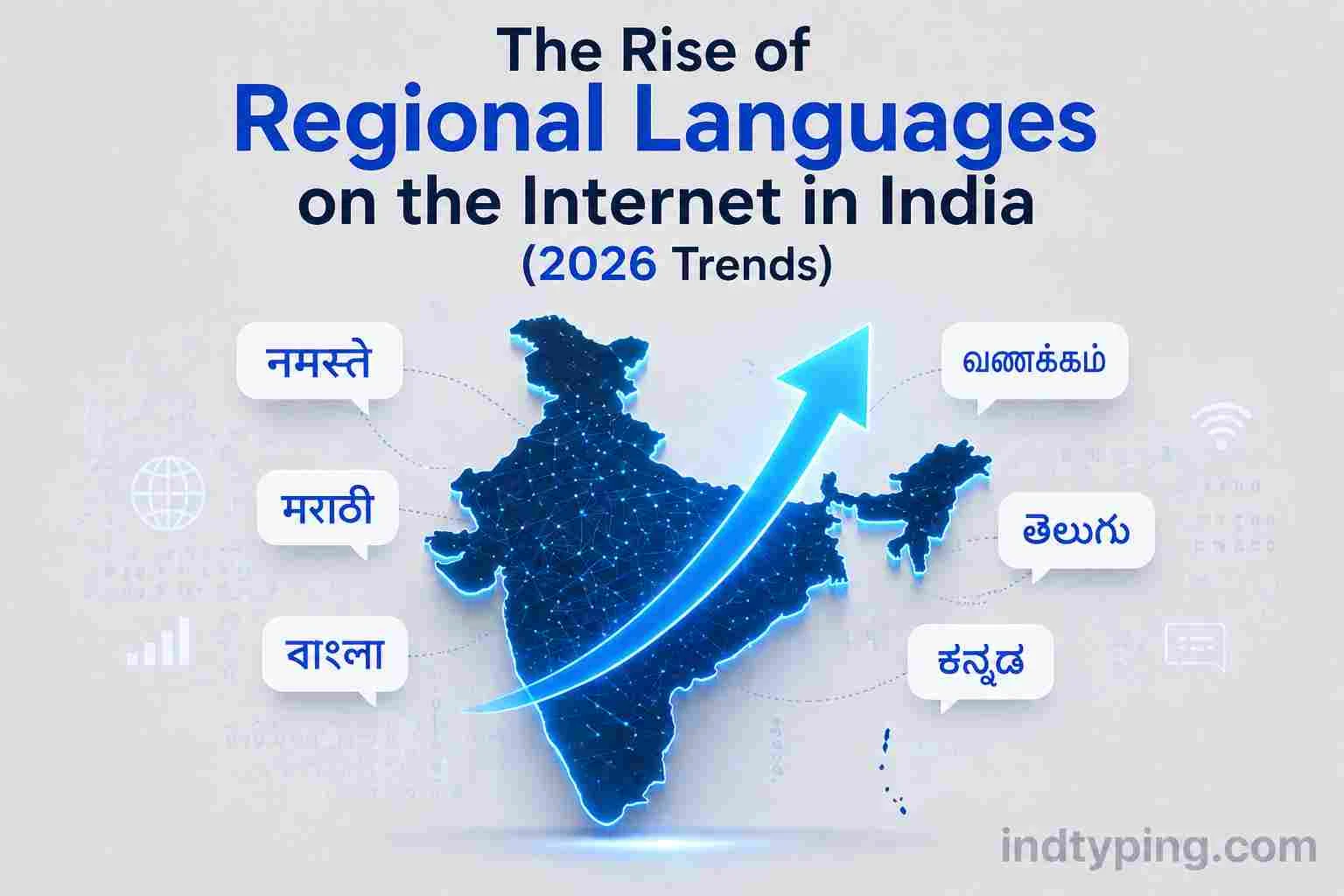
Fig 1: Vernacular users have become the primary driving force of the Indian digital economy.
The Stars of the Show: Tamil, Marathi, and Bhojpuri
While Hindi naturally holds a large portion of the pie due to its massive speaker base, the real surprise stars driving the adoption of regional languages on the internet in India are Tamil, Marathi, and Bhojpuri.
Tamil: Tamil internet users are known for being highly engaged. From rich literature digitization to booming tech and gaming communities, Tamil content is consumed voraciously. Creators who provide valuable guides or tools in Tamil are seeing unprecedented traffic.
Marathi & Bhojpuri: These languages are experiencing an explosion in short-form video content and hyper-local news. The entertainment sector for Bhojpuri, in particular, has seen massive digital monetization, proving that the demand for regional languages on the internet in India goes far beyond just basic communication.
How Creators and Freelancers Can Capitalize
With millions searching for vernacular content, there is a severe shortage of high-quality text-based information. This gap presents a golden opportunity for data entry professionals and content writers. If you want to capitalize on the boom of regional languages on the internet in India, you need to produce fast and accurate localized content.
Typing in regional fonts used to be a major hurdle. However, modern technology has solved this. By utilizing the ultimate guide to transliteration tools for data entry, you can type in English and instantly convert it to Tamil, Hindi, or any other language. This allows you to create vernacular websites or take up highly paid regional freelance typing jobs without learning complex keyboard layouts.
Overcoming Technical Barriers
Despite the rapid growth, integrating regional languages on the internet in India is not without its technical challenges. One of the most common issues users face is the dreaded “square box” error when trying to read local scripts on their computers.
This happens because older operating systems or browsers lack the proper Unicode fonts to display complex Indic scripts. If you or your users are facing this frustrating issue, you can easily resolve it by learning how to fix font rendering issues on Windows 11. Ensuring that your audience can actually read the beautiful regional content you create is the first step to building a loyal user base.
The Future: Voice Typing and AI
Looking ahead, the next phase of regional languages on the internet in India will be driven entirely by Voice and AI. Typing, even with phonetic tools, can be tedious for massive documents. This is where platforms like FreeVoiceTyping.com are changing the game, allowing users to simply speak in Tamil, Kannada, or Marathi and watch it turn into text instantly.
As AI language models become better at understanding diverse Indian accents and dialects, the barriers to content creation will drop to zero. The future of the Indian internet is local, vocal, and incredibly diverse.
Frequently Asked Questions (FAQ)
1. Why is the growth of regional languages on the internet in India so important?
It is important because the majority of India’s population does not speak English as a first language. The expansion of regional languages on the internet in India allows millions of people to access education, e-commerce, and digital services in a language they naturally understand, bridging the digital divide.
2. Which Indian languages are growing the fastest online?
While Hindi leads in sheer volume, languages like Tamil, Marathi, Telugu, and Bhojpuri are experiencing phenomenal growth rates. Content creation in these specific languages is highly profitable in 2026 due to strong local engagement.
3. How can I easily type in regional languages for my blog?
You don’t need to learn a new keyboard layout. You can use English-to-regional phonetic transliteration tools like IndTyping, or utilize modern voice-to-text tools to seamlessly generate vernacular content for your audience.
Final Thoughts
The explosive rise of regional languages on the internet in India is not a temporary trend; it is the permanent reality of the digital future. The businesses and creators who adapt to this vernacular shift today will be the industry leaders of tomorrow. Start creating, start transliterating, and embrace the power of your mother tongue online!